
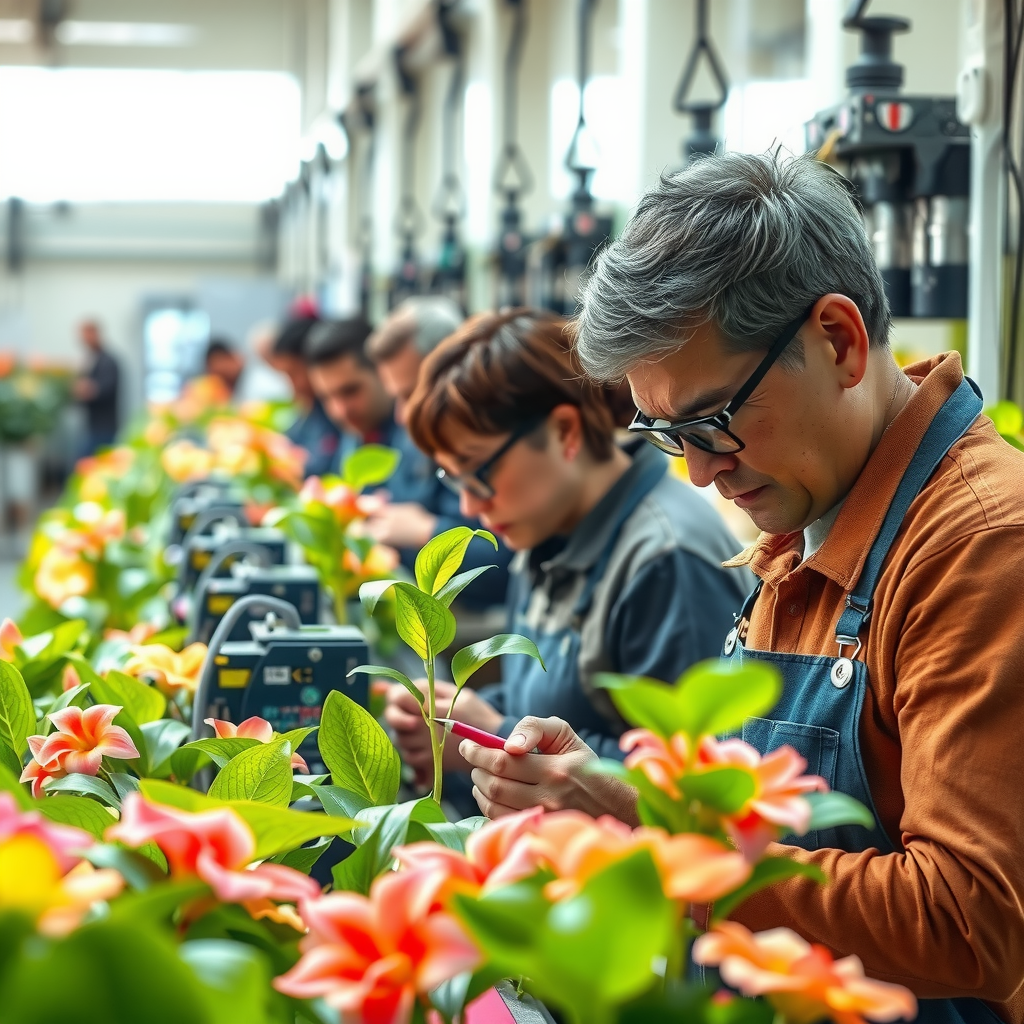
Quality control is key for the longevity of artificial plants. Manufacturers use inspection procedures to ensure products are both visually appealing and durable.
Regular testing for UV protection helps prevent fading over time.
The use of nontoxic materials guarantees safety in indoor settings.
Stringent manufacturing audits and customer feedback enhance product longevity while meeting consumer expectations. Maintaining consistent quality reduces defects and promotes a positive user experience.
Strong quality control measures boost the value of artificial plants.
Artificial Foliage Quality Assurance
Quality assurance in artificial foliage greatly impacts sustainability. Knowing quality markers is important when selecting artificial materials.
Always check for ISO certifications to ensure compliance with safety standards.
This certification confirms that products meet strict quality and safety benchmarks.
Key practices include:.
- Regular inspection of raw materials for durability and color accuracy.
- Testing for UV resistance to prevent fading.
- Evaluating the realism and overall appearance of the artificial plants.
- Checking for toxic materials to ensure safety for indoor use.
- Monitoring production processes for consistency in quality.
- Implementing customer feedback for continuous improvement.
- Ensuring compliance with industry regulations and standards.
- Conducting periodic audits of manufacturing practices.
- Training staff on quality assurance protocols.
- Documenting and analyzing quality control findings for strategic planning.
These practices ensure that consumers receive high-quality, safe decorative items that positively impact their environments.
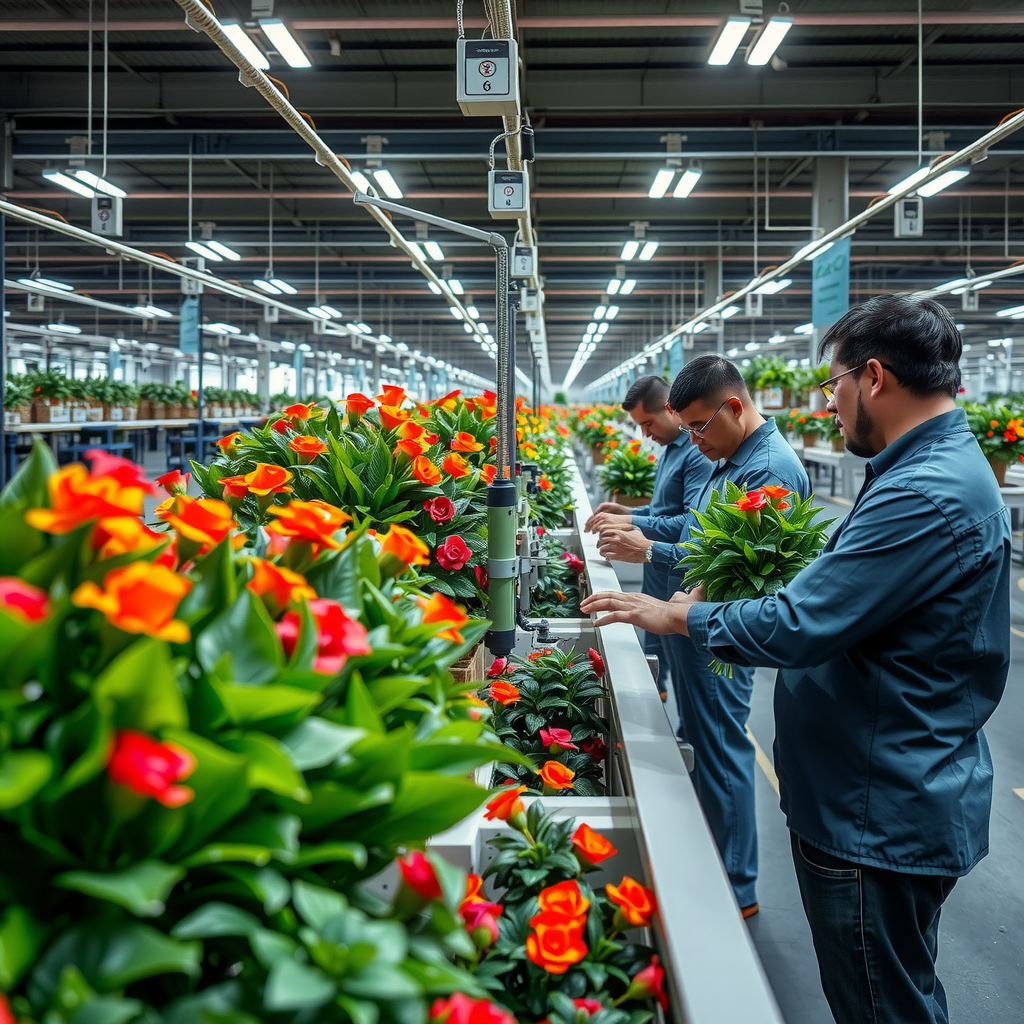
How to Evaluate Aesthetic Standards
Evaluating aesthetic standards is key for creating appealing artificial plants. Color theory shows that certain colors can attract consumers more effectively.
Material choice significantly impacts the overall design and realism of the plants.
Regular consumer surveys help manufacturers understand preferences, guiding them toward the best materials and styles.
These surveys offer valuable feedback for refining product aesthetics and ensuring alignment with current trends. Realistic designs are a focus that enhances visual appeal.
Combining color theory with material selection leads to a satisfying consumer experience.
Consumer Preferences
Consumer preferences greatly influence aesthetic standards. Feedback from surveys reveals:.
- Color preferences play a crucial role in purchase decisions.
- Realism enhances the visual appeal of artificial plants.
- Material quality affects perceived value and satisfaction.
Material Choice and Production Consistency
Choosing the right materials impacts both aesthetics and durability. Evaluating raw materials helps ensure:.
- Consistency in color and texture.
- Use of nontoxic materials for safety.
- Environmental impact is minimized during production.
Importance of Durability Testing Methods
Durability testing ensures safety and longevity in artificial plants. Advanced testing methods, beyond basic approaches like accelerated aging, assess how products perform over time. UV protection is essential to prevent fading, especially for indoor use. Keeping detailed testing records supports regulatory compliance, ensuring products meet safety standards.
Types of Durability Testing
Different testing methods include:.
- UV resistance testing to prevent fading.
- Performance testing for product longevity.
- Inspection procedures to check for defects.
Quality Control Measures
Quality control in artificial plants involves systematic measures to ensure these decorative items meet standards of aesthetics, durability, and safety. Key aspects include:.
- Regular inspection of raw materials for durability and color accuracy.
- Evaluating the realism and overall appearance of the plants.
- Implementing customer feedback mechanisms for continuous improvement.
- Conducting periodic audits of manufacturing practices.
Enhancing User Experience
Ensuring compliance with industry regulations and safety standards is crucial. Quality improvements lead to:.
- Higher customer satisfaction.
- Reduced defects in products.
- Boosted consumer confidence in decorative items.
Aesthetic Standards and Durability
- Research shows that products with appealing color schemes can increase consumer engagement by up to 80%.
- Studies indicate that realistic artificial plants can increase consumer satisfaction ratings by over 60%.
- Using nontoxic materials can enhance brand reputation and consumer trust, leading to higher sales.
- Durability testing can extend product life by identifying weaknesses, potentially reducing return rates by 30%.
Effective Inspection Procedures Explained
Effective inspection procedures are essential for maintaining quality control in artificial plants. These procedures ensure that products meet the specified aesthetic standards and durability requirements.
Technology plays a significant role in enhancing inspection accuracy.
It enables precise measurements of color and material integrity.
Automated tools can quickly identify defects in production, ensuring consistent results.
Implementing tailored checklists designed for specific product types helps standardize inspections and minimize errors. By utilizing these tools, manufacturers can achieve higher levels of quality assurance and defect reduction.
This is essential for satisfying consumer preferences.
- Regular inspection of raw materials for durability and color accuracy.
- Testing products for UV resistance to prevent fading.
- Evaluating the realism and overall appearance of the artificial plants.
- Checking for toxic materials, ensuring safety for indoor use.
- Monitoring production processes for consistency in quality.
- Implementing customer feedback mechanisms for continuous improvement.
- Ensuring compliance with industry regulations and standards.
- Conducting periodic audits of manufacturing practices.
- Training staff on quality assurance protocols and expectations.
- Documenting and analyzing quality control findings for strategic planning.
Ensuring UV Protection in Production
Ensuring proper UV protection is critical for the longevity of outdoor artificial plants. Products must resist fading to maintain their visual appeal over time. High UV ratings indicate better durability against sunlight exposure. These ratings are essential for consumer satisfaction.
Regular assessments of materials under simulated sunlight conditions help gauge their performance and effectiveness. This proactive approach ensures that products meet necessary safety standards and maintain their integrity. Continuous monitoring guarantees that outdoor decorative items remain vibrant. This supports their overall durability and appeal in various settings.
Key factors for UV protection:
- Material sourcing focusing on UV-resistant components.
- Performance testing to ensure reliability.
- Consistent documentation of compliance checks.
Inspection Procedures and UV Protection
- Studies show that implementing automated inspection tools can reduce defect rates by up to 30%.
- Products with high UV ratings can last 50% longer when exposed to sunlight compared to those with low ratings.
- Regular audits and compliance checks can enhance product reliability and consumer trust significantly.
- Training staff on quality assurance practices can lead to a 20% improvement in overall production quality.
Nontoxic Materials for Consumer Safety
Nontoxic materials significantly enhance indoor safety for consumers. Previous discussions on consumer safety highlight the growing concern for health-related issues.
Certification processes for materials such as ISO and ASTM ensure compliance with safety standards.
These certifications provide assurance to consumers about the products they use.
Transparency is vital; companies should label their products clearly, detailing the materials used. This practice fosters trust between manufacturers and consumers.
By prioritizing nontoxic materials, manufacturers not only protect health but also meet consumer preferences for quality and safety in decorative plants. Such efforts reflect a commitment to health standards and consumer awareness.
Implementing Manufacturing Audits for Quality
Manufacturing audits play an important role in ensuring product quality and safety.
These audits include internal audits, external assessments, and supplier evaluations.
Regular audits promote a culture of accountability within production processes.
They provide insights into areas needing improvement, particularly regarding inspection procedures and quality assurance. Scheduling these audits helps measure compliance with industry benchmarks.
Utilizing audit findings allows manufacturers to refine processes continuously, thus enhancing production efficiency. Keeping a close eye on quality metrics ensures that final products meet consumer expectations regarding durability and aesthetic quality.
Quality control in artificial plants involves systematic measures to ensure these decorative items meet specific standards of aesthetics, durability, and safety.
Key practices include:.
- Regular inspection of raw materials for durability and color accuracy.
- Testing products for UV resistance to prevent fading.
- Evaluating the realism and overall appearance of the artificial plants.
- Checking for toxic materials, ensuring safety for indoor use.
- Monitoring production processes for consistency in quality.
- Implementing customer feedback mechanisms for continuous improvement.
- Ensuring compliance with industry regulations and standards.
- Conducting periodic audits of manufacturing practices.
- Training staff on quality assurance protocols and expectations.
- Documenting and analyzing quality control findings for strategic planning.
Nontoxic Materials and Quality Control
- Over 70% of consumers prioritize nontoxic products when making purchasing decisions.
- Studies show that products with safety certifications experience a 30% increase in consumer trust.
- Regular manufacturing audits can reduce defects by up to 50%, ensuring higher quality products.
- Compliance with industry standards can lead to a 20% increase in customer satisfaction ratings.
Gathering Consumer Feedback for Improvements
Consumer feedback is essential for enhancing artificial plants. It helps companies understand customer preferences.
Feedback loops allow for direct insights into what consumers want.
These insights drive quality improvements and product development.
Companies can create an incentive program to encourage feedback. Offering discounts or rewards can increase participation and engagement.
Organizations can analyze consumer feedback to identify trends.
This process helps make informed decisions. Such strategies ensure that products meet aesthetic standards and consumer expectations.
This leads to durable and visually appealing offerings in the market.
Quality Control in Artificial Plants
Quality control in artificial plants focuses on systematic measures.
These measures ensure decorative items meet aesthetic, durability, and safety standards.
Regular inspection of raw materials is important for quality. Monitoring production processes guarantees consistency.
Key elements of quality control:
- Durability and color accuracy testing of raw materials.
- UV resistance evaluation to prevent fading.
- Realism assessment of the overall appearance.
- Safety checks for toxic materials.
- Compliance with industry standards.
- Periodic audits of manufacturing practices.
Implementing customer feedback mechanisms supports continuous improvement. Training staff on quality assurance is crucial. Documenting and analyzing quality findings aids in strategic planning. These practices ensure a better user experience and product longevity.
Consumer Feedback and Quality Control
- Companies that actively seek consumer feedback can see a 10-15% increase in customer satisfaction.
- Regular quality control inspections can reduce product defects by up to 30%.
- Products with high durability ratings can lead to a 20% increase in repeat purchases.
- Implementing feedback mechanisms can improve product development cycles by 25%.
Affordable Faux Plants China Brighten Your Space Effortlessly