
We all know that China is an important global trading and manufacturing country. Now, it is also the largest exporter in the world.
Artificial plants are popular because they look like real plants, require little maintenance and have other advantages. According to a report by Market Research Future(r), global artificial plants are expected to grow substantially in the next few years.
This article will explain why you should import artificial plants, how to choose the right manufacturers of artificial plants in China and how to import them from China.
Understanding the basic concepts of importation from China can help you to streamline the process.
1. MOQ
MOQ stands for Minimum Order Quantity. It is most commonly required by B2B and wholesale businesses. When importing products from China, you need to be aware of the MOQ. Some manufacturers and wholesalers have a lower MOQ when it comes to small orders. Others have a higher MOQ when it comes to larger orders.
2. Container Load
Container loads are shipments that fill a container with bulk or at maximum weight. Container loads are the most cost-effective way to import goods.
Container Size: 20 ft; Maximum Capacity – 28 cbm
Container Size = 40 feet; Maximum Capacity is 58 cbm
Container Size = 40ft HC; Maximum Capacity: 65cbm
Container Size: 40 ft. HQ; Maximum Capacity: 68 cbm
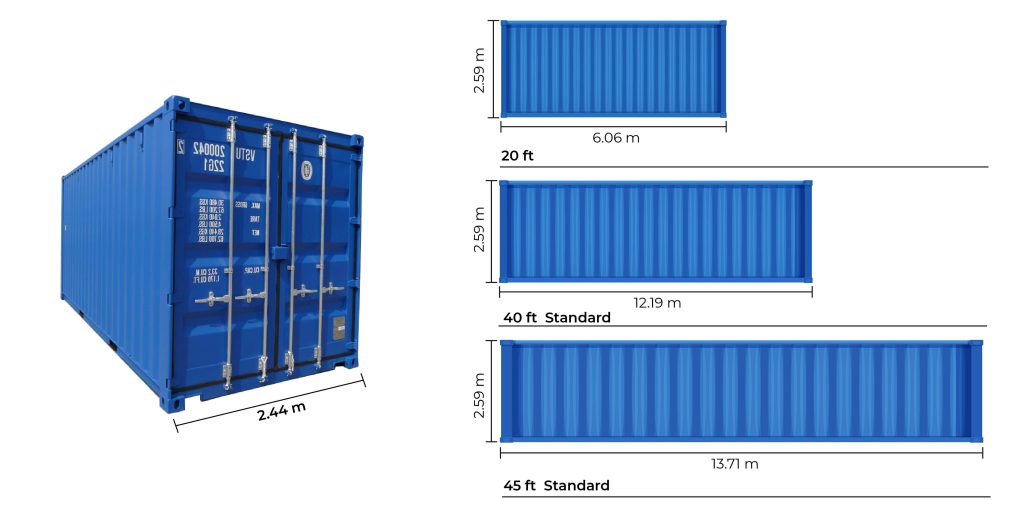
3. FCL (Full container load)
This is a method of shipping for large volumes where one party owns the goods in the container. A single shipper owns the goods.
4. LCL (Less than container load)
This is a term used to describe shipments that only take up a small portion of a container, and are shipped in conjunction with other goods from other shippers.
5. Landed Cost
It means the total cost of a product (a shipment) one needs to pay, from the seller’s warehouse/manufacturer to the buyer’s warehouse/facility.
6. Payment
Here are some common methods of paying for goods.
International wire transfer
Open Account
Letter of Credit
Online escrow
Cash Advance
7. Incoterms is an acronym for International Commercial Terms.
These documents are used to allocate the costs, risks, responsibilities and tasks to different parties in the transportation and delivery of goods.
Why import artificial plants from China
1. Low Cost & Competitive Price
China’s goods and services are accessible to all, whether rich or poor. China is a country with local raw materials and labour, as well as lower taxes, duties and government regulations. You can therefore import artificial plants at highly competitive prices from Chinese factories.
2. Large Scale Efficient Production
China is known for its efficiency in manufacturing artificial plants. Xing Hui Art’s factory of 80,000 square metres can now produce 1,000,000 pieces per month and run 50+ lines continuously.
3. Made in China: no longer a label for “inferior quality”
The old saying is true: You get exactly what you pay. Quality also depends on what people are willing pay. Chinese factories are able to supply products of all quality levels, from low to high. Your suppliers will cut costs with lower margins if you insist on lower prices. This results in lower-quality products.
4. The majority of artificial plant manufacturers and suppliers are located in China
Plastic Artificial plants: Yiwu, Qingdao, Shandong Province, Jiangsu Province
Hebei Province: Guangzhou and Xiamen are the main cities for polyester artificial plants
Silk Artificial Plants in Yiwu and Guangzhou
Fabric Artificial Plants in Yiwu, Dongguan and Guangzhou
5. Fake plants are easy to import from China
You’ve come to the right site if you are a trader who imports from China into North America, Latin America and Europe. Xing Hui Arts. Xing Hui Arts has over 40 years experience exporting artificial plants and hedges to more than 50 countries around the world.
Learn more about Xing Hui Arts Authentic Artificial plants manufacturer >>>>
How to Find artificial plants manufacturers in China
You can find suppliers and products online or by outlines.
1. Trade Fairs
The Canton Fair is China’s largest and most popular fair, and it takes place in Guangzhou each autumn and spring.
2. Search Platforms
Google will show you any online suppliers of artificial plants. You should only buy from reputable suppliers because there are so many vendors on the market.
Alibaba Global Sources – Made in China
How to choose a trusted Artificial plants China manufacturer
Tip #1 – Registration and License Number
Verify the registration status of the supplier. Ask the supplier for his license number. These two numbers will be provided without hesitation by a legitimate supplier.
Tip #2: Production capacity
Equipment and technical level are also important in determining whether a factory is professional.
Tip # 3: Read Real Reviews
Customer feedback can tell you whether the artificial plants supplier is an expert in what they do. What is their customer service and product quality like? What are the reviews of the product on the official product pages?
Tip # 4: Certification
Everyone knows that artificial hedges must be non-toxic, and have no odor. This is especially true for living areas where people gather to talk and relax. This certificate is required for the safety of your indoors if you are a businessman and want to use faux plants in your wall covering project. Fire prevention is essential for projects like shopping malls or restaurants.
Tip #5: Quality Assurance
Quality assurance will increase sales and ensure repeat purchases. The factory or company of your supplier must strictly adhere to these four rules:
IQC (Incoming Quality Control).
IPQC (Input Process Quality Control).
FQC (Final quality control)
OQC (Outgoing Quality Control),
After your artificial plants are prepared, it is best to visit your supplier in China and do a quality check. You can also establish a good relationship with your supplier by doing this.
Tip #6: Market Awareness
Ask a supplier about their opinion on the latest artificial plant trend. You can ask them if their market is similar to yours in terms of the quality requirements. If you answer yes, go ahead.
Importing Artificial Plants from China
When ordering plants in bulk from websites, be careful. You can avoid a lot of traps by following these steps.
Step 1. Consider your budget
Budget is the key to your project or business. Consider how much money you are willing to spend on your plants, and how long they will last. Quality plants can last up to 5 years and are safer for outdoor use.
Step 2. Select the right product
Import artificial plants that are unique to your business. Importing unique and customized products can give you an edge over your competitors.
This buying guide will help you choose the best faux plants, whether you’re a landscaper or interior designer.
Step 3. Request samples
Do not make the mistake of selecting a wholesaler who does not provide samples, particularly when placing such large orders.
Step 4. Check all the details with suppliers
List your suppliers by filtering them according to their factory size, manufacturing technologies, price, lead times, compliance abilities, quality, payment and after-sale services.
Step 5. Negotiate favourable price and contract terms
Xing Hui Arts, a leading manufacturer of artificial plants in China offers factory direct prices to its consumers. Prices vary depending on the type or quantity of products ordered. You can also choose between bulk artificial foliage and custom-made artificial plants.
Step 6. Submit import documents
Documents required for export customs clearance are:
Contract – Commercial invoice – Packing List – Bill of lading – Certificate of Origin