
Why artificial plants are so popular
Artificial plants have witnessed a surge in popularity, particularly among millennials crafting stunning interior designs. This shift can be attributed to technological advancements, enabling artificial plants to closely mimic real ones, making it nearly impossible to distinguish between the two. The allure of minimal maintenance and prolonged lifespan further contributes to their popularity.
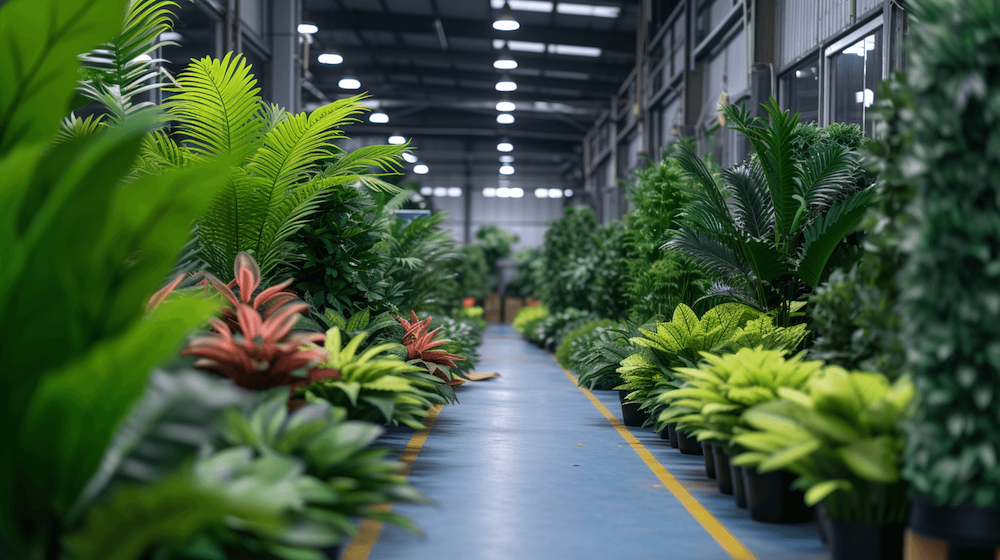
Versatility for any setting
Artificial plants prove highly versatile, enhancing both residential and commercial spaces. Their adaptability makes them a perfect choice for creating inviting living or work environments. Additionally, they offer a solution for individuals allergic to specific natural plants.
Why import artificial plants from China
China, as the leading artificial plant manufacturer globally, produces lifelike options at a competitive cost. Importing from China opens doors to substantial profit margins, making it an attractive prospect for businesses in the artificial plant market.
Steps to import artificial plants from China
1. Determine your budget
Before delving into the import process, establish a budget ranging from $1000-$2000, covering product costs and shipping. Chinese wholesalers often provide discounts based on order size, encouraging larger quantities.
2. Choose your desired product
Explore the diverse types of artificial plants available, such as indoor plants or outdoor plants, each designed for specific settings. From artificial trees to succulents and tropical plants, importing unique products gives your business a competitive edge.
3. Calculate profitability
Evaluate the overall purchase cost, potential discounts based on order size, and shipping expenses. This analysis ensures a clear understanding of the final package costs and helps determine overall profitability.
4. Locate a supplier
Different cities and provinces in China specialize in producing specific types of artificial plants. Utilize B2B platforms like Alibaba or Aliexpress, search engines, or social media to find an ideal supplier for your chosen plant type.
5. Evaluate suppliers
Assess potential suppliers based on their business history, customer base, certificates, lead time, and product quality. Opt for a supplier with a stable history, an established customer base in your target market, and a commitment to delivering quality products on time.
6. Learn trade Incoterms
Understanding common trade incoterms like EXW, FOB, CIF, DDP, and DDU is crucial. These terms impact the final cost and responsibilities during shipping. Comprehending them aids in making informed purchase decisions.
7. Request samples
Vet your supplier by requesting samples, ensuring they align with your requirements. Request a video call to inspect the sample before placing an order. Remember, you’ll likely pay for the sample, especially for customized products.
8. Confirm order details
Before production begins, confirm all order details, including terms, incoterms, lead time, and payment methods. This ensures both you and your supplier are on the same page, reducing the risk of misunderstandings.
9. Perform quality inspection and shipping arrangement
Ensure your supplier maintains a low defective rate by performing a quality inspection. Arrange shipping through international express or sea shipping, considering the affordability and convenience for smaller packages.
10. Customs Clearance
During customs clearance, provide necessary documents, including the contract, commercial invoice, packing list, bill of lading, and certificate of origin. Pay attention to import customs duties and stay informed about the tariffs at USIT.
Final Word
Importing artificial plants from China demands careful evaluation and adherence to the outlined steps. This ensures your package arrives safely and on time, setting the foundation for a successful business venture.